Rules on gaming machines in land-based venues

Gambling Laws UK Gambling Legislations in 2026
We will not accept licensees simply stating that GDPR means that they are unable to comply with an aspect of gambling regulation, or otherwise take certain steps to protect the public interest. Thorough consideration of transparency requirements will also assist data subjects, and assist data controllers to demonstrate compliance with obligations relating to accountability. We do not anticipate that the need for such measures will cause a significant barrier to complying with gambling regulation.
As it stands there is no limit on bets for online slots whereas in-person slot machines in pubs, arcades, bookmakers have a limit of £2 and casinos have limits of up to £5. The white paper will support the ‘land-based’ gambling sector including casinos, arcades and bingo halls, while maintaining safeguards to protect vulnerable groups. So we are stepping in to update the law for those most at risk of harm with a new levy on gambling operators to pay for treatment and education, player protection checks and new online slots stake limits. This includes online casinos, sports betting, software providers, and land-based venues. Rawa Kaftan is a regulatory lawyer in Wiggin’s Betting & Gaming team and advises key stakeholders in the gambling industry, including many of the world’s largest online B2C operators, software suppliers, payment service providers and investors. Suppliers of gambling machines made available for use in land-based environments similarly need to obtain their own licence.
- This process of formal review – Section 116 of the Gambling Act 2005 – can result in almost any sort of penalty from the regulator, including suspension and revocation of licences.
- Operators must be able to evidence that controls are effective in practice, embedded in day-to-day operations and reviewed regularly for continued suitability.
- Forty responses were received to this question, with 60% opposed to venues being able to hold multiple licences.
- The Lower-Risk Gambling Guidelines, developed by the Canadian Centre on Substance Use and Addiction, are a set of three principles developed after consideration of the evidence to help individuals manage their risk of gambling harm, modelled upon safer drinking guidelines.
Protections for this group will be increased, for instance through earlier interventions to assess financial risks, and structural controls such as a lower stake limit for online slots games. This will create a clear distinction between gambling products for adults and lower risk products accessible to children (such as crane grabbers or coin pushers) which have non-cash prizes or are entirely unlike an adult gambling product. We will also give legislative backing to the current voluntary measures preventing the use of Category D cash out slot machines by under 18s. We nonetheless challenge other providers to adopt this precautionary measure, so that there is no online or widely and easily accessible gambling for under 18s. We expect all operators to take steps to offer appropriate redress to customers where needed and if the ombudsman does not attract sufficient cooperation or deliver the protections as we expect, we will legislate to put its position beyond doubt.
Having considered the evidence overall, we do not think there is any justification for adjusting the thresholds. Some of these submissions pointed to the results of the age-verification test purchasing on machine games pubs in England and Wales, which was undertaken jointly by the Gambling Commission and Local Authorities, and found an 84% failure rate in 2019, and an 88% failure rate in pubs in England in 2018. We would expect industry to strictly adhere to this ratio and will set out detailed requirements in further consultation. We are mindful of the Gambling Commission and local authorities’ view that the 80/20 rule is difficult to police where some operators intentionally subvert the rules, for instance through offering game content on a very small device which may not be easily accessible to consumers.
After paying a licensing fee, the site is free to offer services and games to UK residents. At the core of this legal shift was the desire to regulate remote operators more closely and ensure players were afforded the best protection possible. At the close of 2014 the region introduced a number of regulatory innovations that have since strengthened the country’s iGaming credentials and reconfirmed its status as an industry leader. We help British players find safe, fair, and enjoyable casino sites.
The government is also clear that the ‘aim to permit’ requirement in Section 153 of the 2005 Act does not prevent the refusal of licences or the introduction of controls as necessary or desirable to minimise risk. We will look to take forward legislation when time allows to bring the regime for gambling licensing more in line with that of alcohol licensing. The government fully supports licensing authorities in their role as co-regulators of the 2005 Act and appreciates the local expertise that they have which guides their regulation of gambling in their communities. Applicants must consider the specific risks that pertain to the zone they would like to open a new premises in and how they will mitigate those risks.
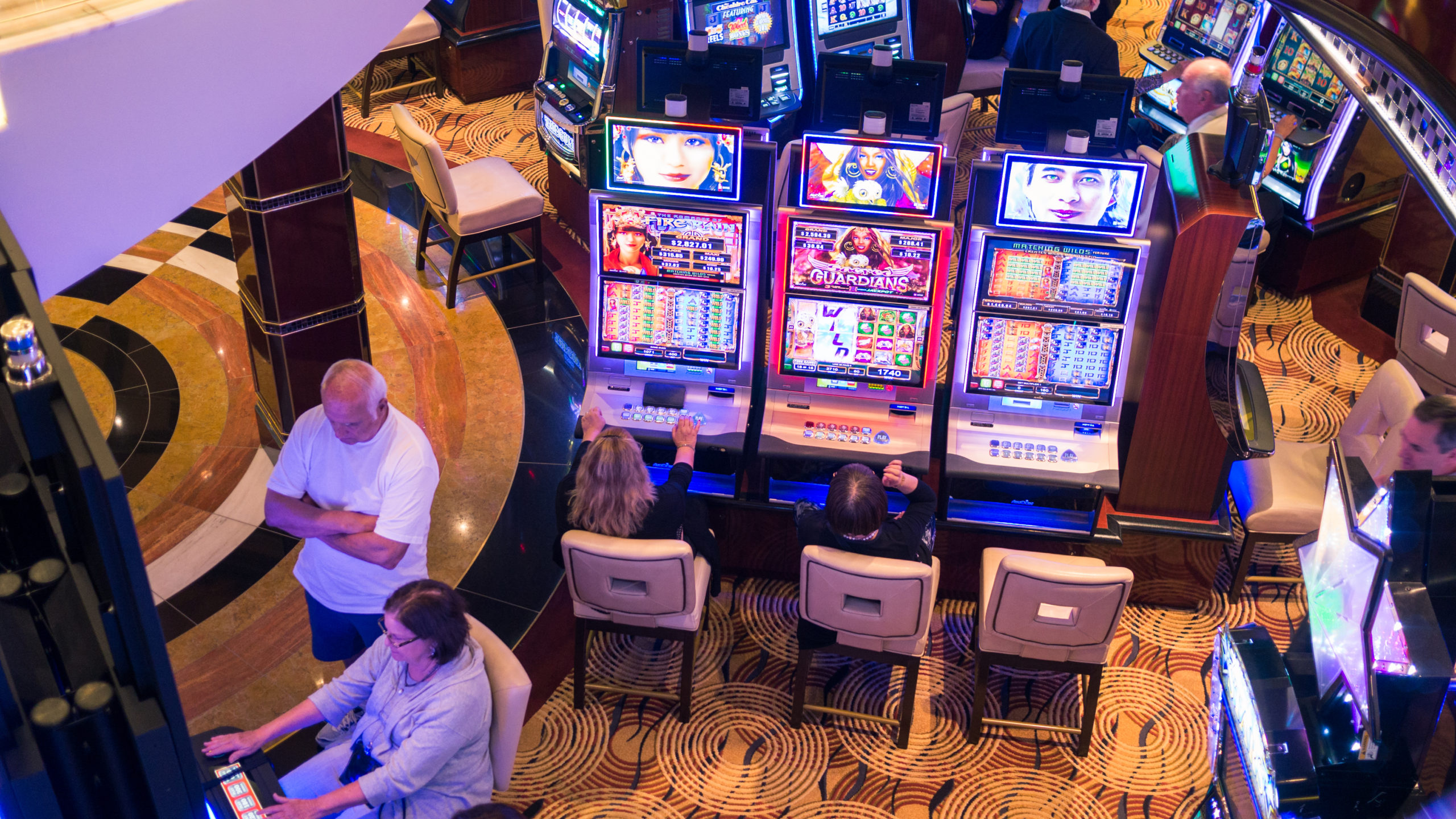
Rules on gaming machines in land-based venues
The regulator has indicated that it may be less inclined to “settle” regulatory enforcement actions, particularly where operators have been made the subject of prior regulatory enforcement action, leaning towards the imposition of sanctions and penalties or, in more serious cases, suspensions and revocations of licences. An “economic crime levy” is payable by entities that are regulated for anti-money laundering purposes (currently only casinos in the UK) and which generate more than £10.2 million in UK revenue. 15% of the commission charges charged by betting exchanges to users who are UK citizens Eligibility for a British gambling licence depends upon the Gambling Commission’s assessment of a variety of factors, primarily the integrity and probity of the applicant and the applicant’s ability to conduct gambling in a solvent and responsible manner in compliance with law and regulation.
Advertisers must instead promote responsible gambling and clearly state that all gambling involves risk. They apply to both direct advertising by gambling operators and affiliate marketing. The gambling and betting advertising rules are designed to ensure that ads are socially responsible. The ASA was established in 1962 by the advertising industry to adjudicate complaints based on the newly published British Code of Advertising Practice (the CAP Code). However, the Gambling (Licensing and Advertising) Act 2014 brought changes to the licensing regime for operators. Until 2014, when amendments to the Gambling Act were made, operators licensed in certain countries could advertise their services and provide gambling facilities in the UK without an additional license from the UKGC.
Most forms of licensed gambling are currently illegal for under 18s and there are requirements to make sure children cannot access them either in person or online. However, if we see evidence that this non-statutory arrangement is not delivering the protections for customers as we expect, then we will legislate to create a statutory ombudsman for the sector. The scheme should ensure customers have timely access to the independent ombudsman to deal with social responsibility complaints where the gambling operator has not been able to satisfactorily resolve the complaint. To introduce further protections for customers and deal with the gap in redress quickly, we will look at how industry can set up an ombudsman that is fully operationally independent and is credible with customers, working with all stakeholders in the sector. More broadly, this could enhance data collection and drive improvements across the industry as a whole as the ombudsman could feed back trends in the disputes it investigates to the Gambling Commission. One operator told us they tackle this risk by making any voluntary payments related to social responsibility complaints conditional on the complainant registering with GAMSTOP, the online self-exclusion scheme.
These initial checks use publicly available data and do not require sensitive personal information such as postcodes or employment details. Additionally, a mandatory minimum 2.5-second interval between spins is required to slow down gameplay and promote safer gambling. To promote responsible gambling in the UK, it is essential to sites not on gamstop understand the laws governing these games. The firm also plays a role in observing and influencing the regulatory environment and crafting innovative structures for commercial relationships within the industry.
In April 2023, significant changes to gambling regulations were proposed by the government, particularly targeting online slots. An investigation found that the companies failed to put in place effective safeguards to prevent consumers suffering gambling harm and against money laundering between November 2014 and October 2017. The list of operators and personal licence holders who have had a regulatory sanction imposed on them is published on the site of the Gambling Commission. They also collaborate with other UK organisations and the police in cases where suspicious betting or gambling activities are detected.
The primary benefit of this measure is increased GGY for casinos that take up additional gaming machines. Gambling operators must ensure that their supervision and monitoring of gaming machines enables them to meet the requirements of the Act and conditions of their licence. Data from the National Gambling Treatment Service shows that a relatively small proportion of patients report participating in gaming machines in casinos. Taken together, the three measures will determine the maximum number of gaming machines that casinos will be entitled to. The sector views an increase to this ratio as essential in order to ensure these casinos’ long term viability by allowing them to site more gaming machines, and this conclusion was reflected in the white paper. It has also meant that none of these casinos are able in practice to satisfy the current conditions which would allow them to offer the maximum number of gaming machines due to the amount of space they take up.
The call for evidence asked whether there was evidence that government should moderately increase the threshold at which local authorities need to individually authorise the number of Category C and D gaming machines in alcohol licensed premises. Licensing authorities questioned whether the ratio approach to gaming machines is still an effective means of preventing harm in licensed bingo premises and adult gaming centres. The bingo industry also pointed to Gamcare helpline statistics which show that under 1% of the calls are from customers playing bingo or gaming machines in a retail bingo club.
Of particular concern, we have heard that some operators offer ‘fast roulette’ with very rapid spin speeds (comparable to slots) which increases the frequency of betting and therefore the intensity of the gambling experience. Additionally, we recognise the broader risks posed by individuals seeking to gamble online using another person’s details, and that this could undermine harm detection, self-exclusion and legal age restrictions. We recognise that identity theft or stealing funds is a criminal matter, and the evidence we received, including from a police organisation, demonstrated the significant harm this can and does inflict on both the gambler and affected others. There may also be regulatory risks in several critical areas, including financial risk assessments, anti-money laundering compliance, and the prevention of illegal underage gambling. People experiencing problem gambling are more likely to use multiple online accounts and circumvent account restrictions by moving to another operator, so we expect any enhanced protections to have particular relevance for limiting the harm suffered by this group.
Updated Casino Regulations in the United Kingdom
All UK licensed online casinos and sportsbooks are mandated to perform anti-money laundering checks, and mental and financial welfare checks on their customers. All forms of online gambling are licensed by the Gambling Commission and therefore can be legally provided in the country under a licence from the commission. Liberal Democrat politicians called for a complete ban on sports betting and online casinos sponsorships in high-level UK sports competitions such as the English Premier League. We ourselves are not casino operators, do not offer any real-money games on our website, and cannot be held liable for the financial risks readers take when participating in real-money gambling activities. The remote casino operating license allows operators “to offer casino games to customers via a website, mobile phone, TV or other online service.
The aim of this package of recent reforms and further investigation from the Commission is to provide a proportionate, evidence-driven response to the risk of harm from irresponsible targeting of bonuses, without impeding licensed operators’ legitimate ability to provide bonuses to attract and retain customers. A study commissioned by a challenger bank and submitted to DCMS after the call for evidence found that a third of online gamblers have deposited gambling funds via non-card based payment methods such as bank transfers, but this was even more common among younger or very regular gamblers. With respect to deposit limits specifically, a number of respondents, including some operators, proposed requiring all customers to set their own limit as a condition of gambling online. The stake limits already applied to electronic gaming machines in the land-based sector could be a sensible starting point.
We will look further at the legislative options and conditions under which licensed bingo premises might be permitted to offer side-bets in a more flexible or expanded form within a defined set of parameters with rules to reduce the risk of harm. We propose to adjust the 80/20 ratio which governs the balance of Category B and C/D machines in bingo and arcade venues to 50/50, to ensure that businesses can offer customer choice and flexibility while maintaining a balanced offer of gambling products. With banks withdrawing facilities for processing foreign cheques, we will make a limited change to the Gambling Act which will permit casinos to offer credit to non-UK residents, subject to thorough financial risk and anti-money laundering checks. We will consult further on the details of how casinos will be able to opt to choose this allowance and ratio over their current entitlement, with fees and mandatory licence conditions in line with 2005 Act casinos. This chapter sets out a number of areas where we propose to reset regulation for land-based gambling, while maintaining or strengthening safeguards that are needed to protect vulnerable groups and communities from gambling harm.
Any measure that increases the availability of Category B machines risks leading to increased gambling harm for those playing on the machines. The rationale for considering this option is primarily to ensure that a truly balanced offer of gaming machines is available to customers following the loosening of restrictions from 80/20. Significant increases in Category B machines may increase the amount of money staked by customers, and/or the risk of harm. The objective of providing customers with a genuine choice of higher and lower stake machines is understood in terms of providing a safeguard against increased gambling harm. As some of the differences between 1968 Act and Small 2005 Act casinos are brought in line, operating and premises licence fees and mandatory licence conditions should be harmonised accordingly. We propose that an operator must notify the licensing authority of their intention to increase their number of gaming machines.
There are numerous charitable lottery operators that operate under certain regulatory constraints. On 1 February 2024, the Gambling Commission granted Allwyn Entertainment Ltd a 10-year licence to operate the National Lottery, replacing the previous licensee Camelot. Casinos in the UK are generally operated under historic licences that were rolled forward under the “new” Gambling Act 2005. In addition to the LCCP, the British regulator also publishes a large body of literature comprising regulatory advice, policies and guidance which licensees are expected to take account of.The financial regulation of gambling is set out mostly in the British Finance Acts and provides for various levels of duty upon different types of gambling.

Option 2 would likely remove any incentive for operators to not abide by ‘available for use’ guidance. For example, a Category B tablet could only be made available for use if there is one other Category C or D tablet that customers can play on in the venue. This proposal outlined in Option 2 would require any such premises to have one Category C or D cabinet for each Category B cabinet it sites.